When I joined OrientSwiss as Head of UX, the design function was still in its early stages. There were 2 UX designers, but no structured processes, team rituals, or shared ways of working. My role was to define how UX operated, grow the team, and create a foundation that could scale with the company’s product and business ambitions.

In my first weeks, I conducted a “UX Health Audit”. Mapping out how designers worked, how decisions were made, and what friction existed between teams. I uncovered:
Inconsistent design quality and handovers
A lack of clarity around team responsibilities and roles
Designers often worked in isolation, leading to duplicated effort
No shared principles or rituals to unify the team
Recruitment was ad hoc with no standard for evaluating candidates
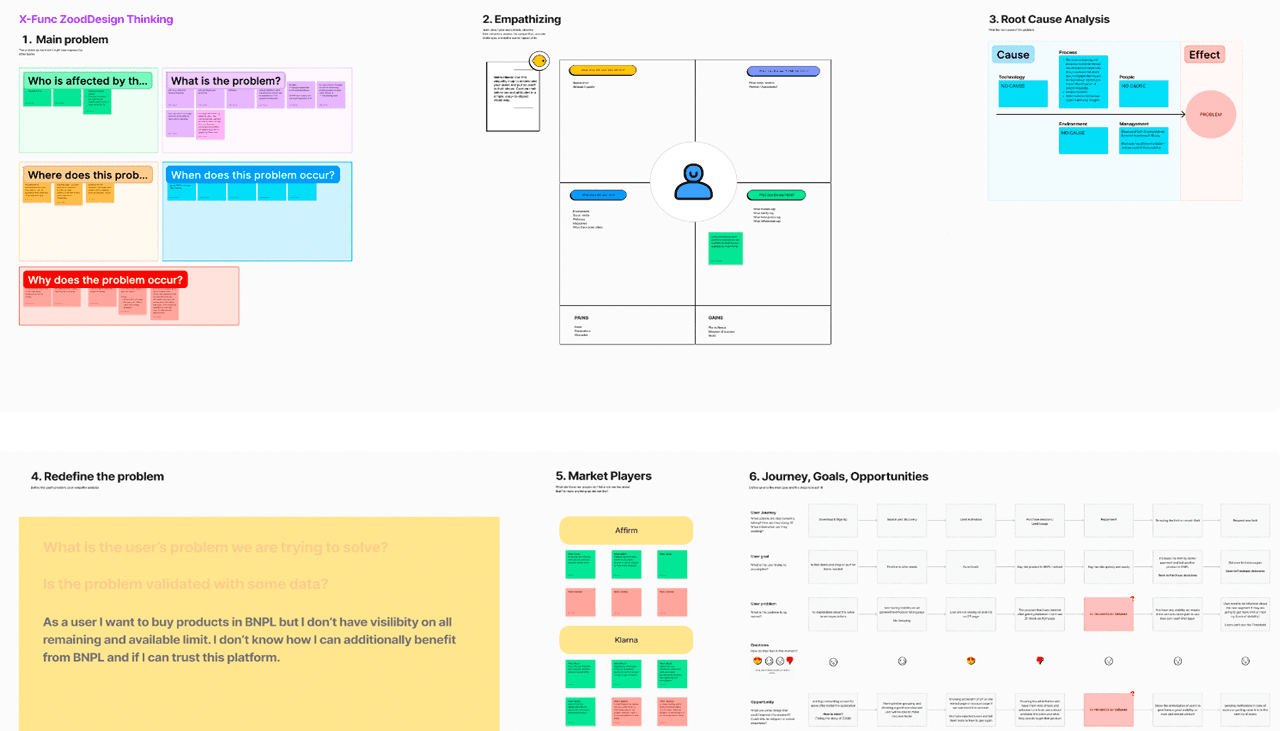
Alongside this audit, I ran structured workshops with the wider product team to align on root causes and identify where design could have the most impact, mapping the market, the user journey, and where we were losing trust.
My vision was to build a world-class design team. One with a clear identity, strong collaboration habits, a scalable process, and shared ownership of the product experience.
Team & Hiring
Defined a recruitment benchmark with clear skill levels
Standardized screening & interview process, I ran 30+ interviews
Created a new member roadmap to help onboarding and integration


Ways of Working
Introduced our Design Process (from discovery to delivery)
Created handover checklists to ensure smoother collaboration with devs
Documented daily responsibilities to clarify expectations across seniority

Culture & Communication
Defined our Team Principles: A shared north star for how we work and think
Set up communication channels for feedback, async updates, and visibility
Established weekly rituals (crits, syncs, retros) and quarterly UX reviews

Tools & Infrastructure
Evaluated and set up our design tools ecosystem
Created shared templates, libraries, and frameworks for collaboration

Leadership & Strategy
Facilitated team OKR definition to align with product and company goals
Mentored team members and helped define growth paths for employees

Grew the design team from 2 to 6 designers, hired the company's first researcher, and built a research practice from scratch
Improved candidate quality and hiring velocity through a standardized interview process
Boosted team alignment through shared rituals and design principles
Contributed to a 300% increase in revenue and an 11-fold increase in gross profit over six months (source: Business Today Middle East, Aug 2022)
Contributed to a 31% improvement in approved transactions
Drove a 51% increase in BNPL transaction volume

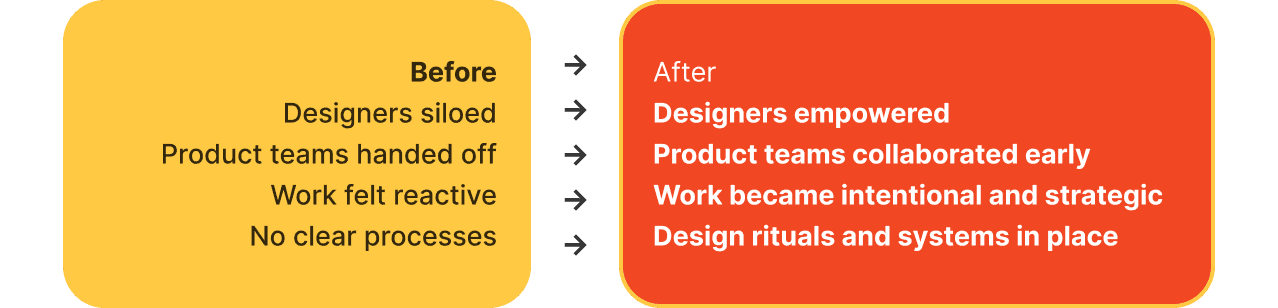
Looking back, the biggest win wasn’t a deliverable. It was the culture shift. Designers felt empowered, product teams saw us as collaborators, and our work became more intentional. I learned that scaling a team isn’t just about headcount, it’s about clarity, systems, and shared purpose.